HDPE vs LDPE vs LLDPE: A Buyer's Guide to Choosing the Right Film-Grade Polyethylene

Material Guides · Aug 25, 2026

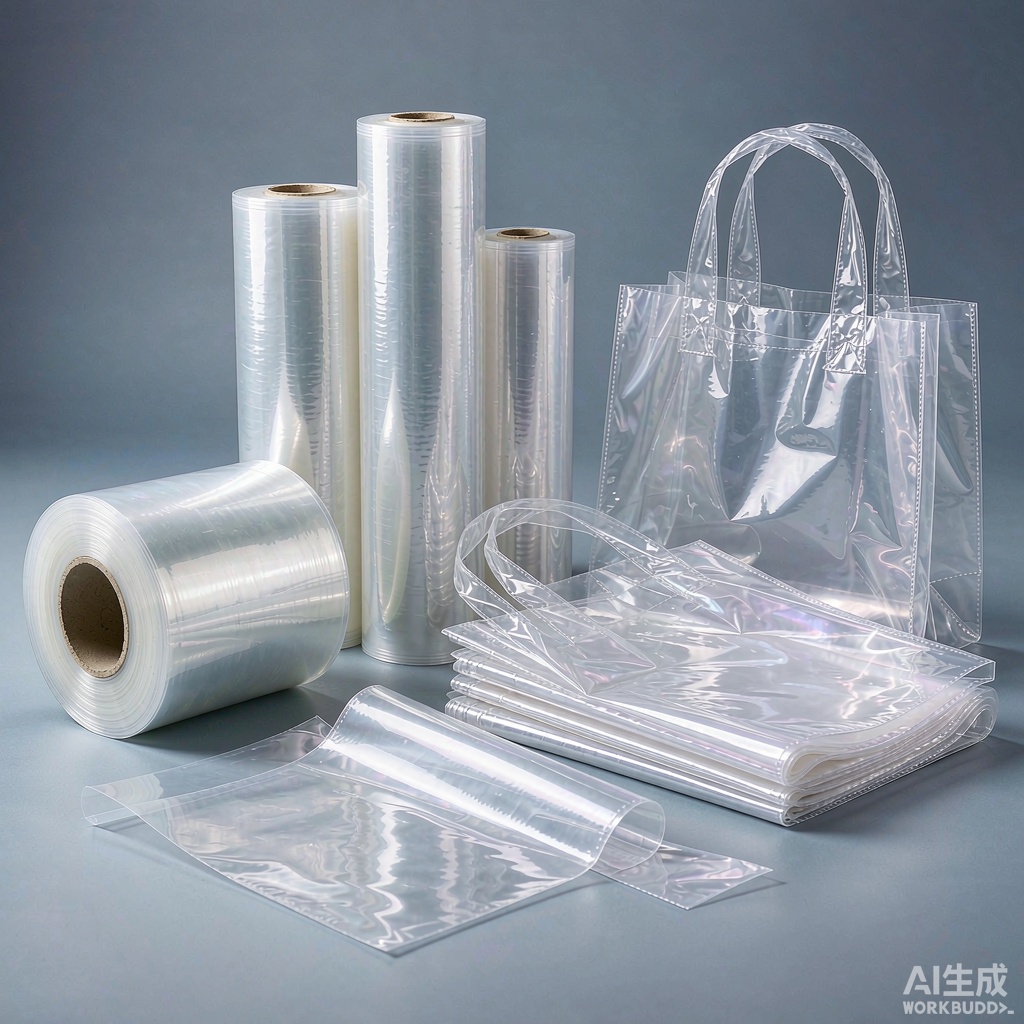
Film-grade polyethylene packaging film

Three polyethylene families dominate flexible packaging, and buyers routinely face the same question: which one do I actually need? The answer is hidden in three numbers — density, melt flow index, and the comonomer story behind them.

This guide helps procurement teams read polyethylene data sheets like processors do, so you can specify the right film-grade resin — and avoid costly specification mistakes.

First, Understand Density — It Changes Everything

All polyethylene is built from the same monomer, but the arrangement of the polymer chains differs. Density is the single most important number on a PE data sheet because it tells you how crystalline the material is — and crystalline structure dictates stiffness, clarity, barrier and heat resistance.

  • HDPE (0.941–0.965 g/cm³) — highly linear chains, high crystallinity, stiff and strong, excellent chemical resistance, low clarity.
  • LDPE (0.915–0.925 g/cm³) — branched chains, low crystallinity, soft and flexible, excellent clarity and easy sealing, lower stiffness.
  • LLDPE (0.915–0.940 g/cm³) — linear chains with short comonomer branches; the strength of HDPE with the flexibility of LDPE, often the best film balance.

Melt Flow Index: The Second Number to Check

MFI tells you how the melt flows under a fixed load. Lower MFI = higher molecular weight = stronger but harder to process. Higher MFI = easier processing but weaker film. Film grades typically sit at MFI 0.3–2.0; a grade like SABIC FJ00952 (MFI 0.05) is chosen exactly because its very high molecular weight delivers outstanding tear strength in thin shopping bags.

How to Choose by Application

  • Thin T-shirt shopping bags → HDPE film grade with very low MFI, e.g. SABIC FJ00952
  • Heavy-duty sacks and industrial film → LLDPE or blend systems for dart impact and tear balance
  • Frozen food packaging → LDPE or low-VA EVA for low-temperature flexibility and sealability
  • Shrink film → LLDPE with tailored comonomer for controlled shrink and stiffness

Blending Is the Industry Norm

Most commercial film is not one resin — it is a blend. Processors combine HDPE and LLDPE to hit a stiffness-versus-toughness sweet spot, or add low-VA EVA (e.g. Hanwha Total 1310) to improve sealing and low-temperature performance. When you request a quote, share your target film properties rather than only a grade name — a good supplier will recommend the blend.

Buying Checklist

  • Confirm density and MFI with your process engineer, not just your sales contact
  • Ask for the COA of the actual lot — not a generic data sheet
  • Request film property data (dart impact, tear, haze) if available
  • Verify food-contact compliance if your film touches food
  • Ask about blend recommendations and equivalent grades before committing

Need Help Specifying Your Film Resin?

Send us your film requirements and our engineers will shortlist matching grades from stock.

Related Reading

WhatsApp Get a Quote